The Benefits of Using Waste Equipment for Efficient Waste Administration
Effective waste monitoring relies heavily on advanced waste Equipment. This modern technology improves arranging precision and reduces contamination prices. Automated systems, driven by man-made intelligence, help with the separation of recyclables and natural waste. Such innovations not just improve processing effectiveness but additionally add to considerable price savings. However, the full extent of these benefits extends past plain operational improvements. There are deeper ramifications for ecological sustainability that advantage even more evaluation.
Boosted Waste Arranging and Handling
As waste administration methods develop, enhanced waste sorting and processing innovations have ended up being necessary for advertising sustainability. These advancements allow extra effective separation of recyclable materials, organic waste, and basic refuse, reducing contamination rates and enhancing recycling outcomes. Automated sorting systems, geared up with sensing units and AI capacities, can quickly recognize and categorize various products, reducing human error and labor prices.
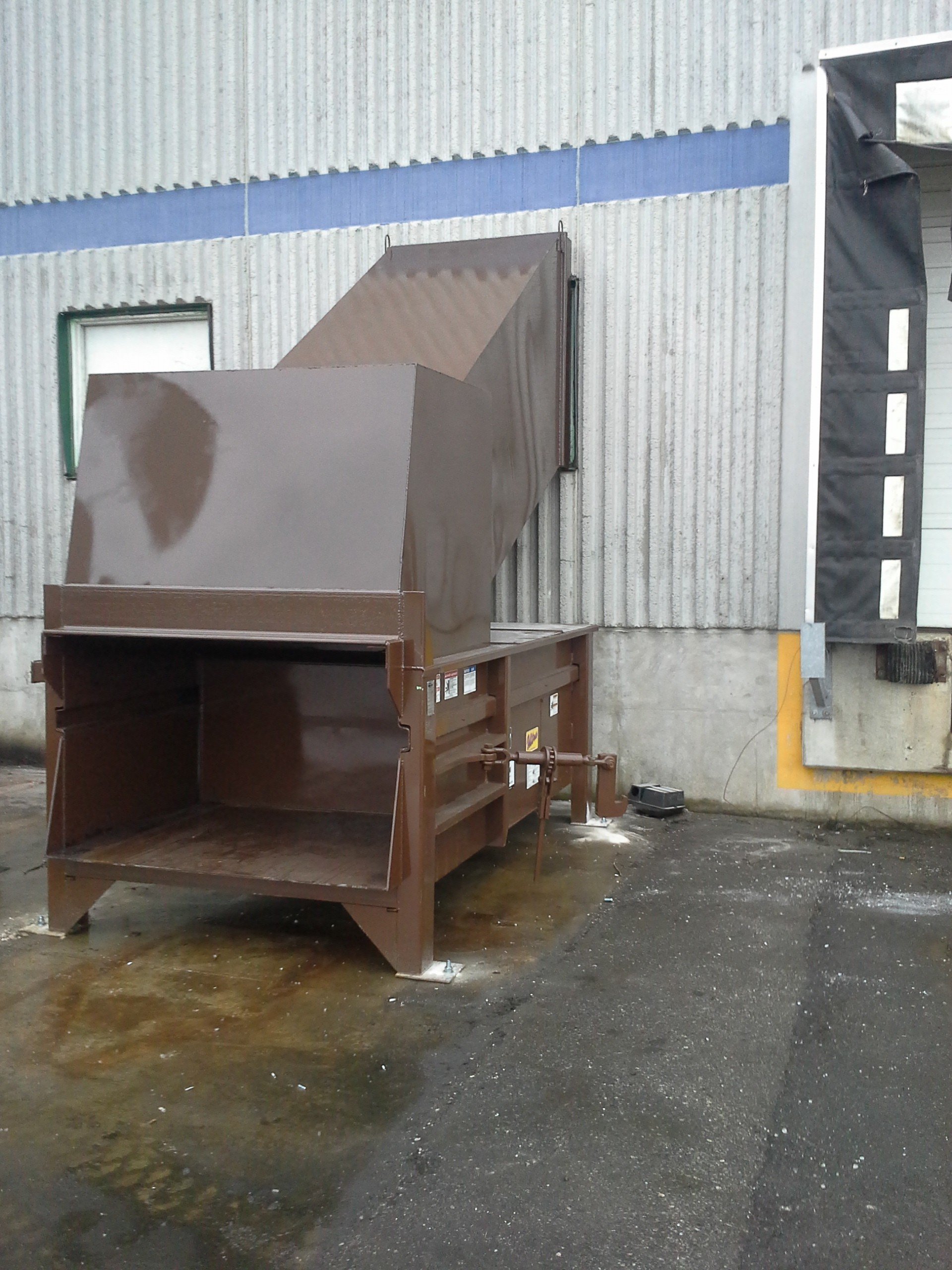
In addition, progressed handling innovations such as shredders and compactors maximize waste volume, assisting in simpler transportation and handling. By using these innovative devices, waste monitoring facilities can especially enhance the recovery of useful resources, such as metals, plastics, and paper, which can then be reintroduced into the manufacturing cycle.
The combination of boosted waste sorting and processing not just promotes an environmentally accountable approach but likewise motivates neighborhoods to embrace sustainable techniques, inevitably contributing to a round economy intended at reducing land fill waste and conserving natural resources.
Cost Cost Savings Through Improved Efficiency
Significant price financial savings can be realized via enhanced effectiveness in waste management procedures. By incorporating sophisticated waste Equipment, organizations can improve their processes, minimizing labor prices and lessening functional downtime. Automated systems enhance arranging precision, leading to much less contamination and even more efficient recycling, which inevitably lowers disposal costs.
Furthermore, energy-efficient machinery adds to lowered energy expenses, while enhanced transmitting of collection cars reduces gas intake. These effectiveness not just reduce prices but likewise enable for far better source allocation, allowing business to purchase more developments.
Preserving Equipment proactively can extend and avoid expensive malfunctions machinery life expectancies, providing long-term financial benefits. On the whole, the adoption of efficient waste management techniques and modern technologies cultivates a much more lasting operation, positioning organizations for better profitability and affordable benefit in a market significantly focused on cost-effectiveness
Reduction of Environmental Influence
While executing advanced waste Equipment, organizations can substantially reduce their environmental effect. This reduction is accomplished through boosted waste sorting and handling capacities, enabling greater rates of recycling and composting. By successfully dividing recyclable products from basic waste, companies lessen garbage dump use, which consequently decreases methane exhausts-- a potent greenhouse gas.
Moreover, the usage of energy-efficient waste Equipment minimizes power consumption, further alleviating the carbon footprint linked with waste management procedures. Enhanced waste handling technologies can likewise transform waste into alternative energy resources, promoting a circular economic situation and reducing reliance on nonrenewable fuel sources.
Ultimately, companies that spend in advanced waste Equipment add to a much healthier environment by decreasing air pollution levels and preserving natural resources. This positive method not just fulfills regulative requirements yet also straightens with business social responsibility objectives, attracting environmentally conscious consumers and stakeholders alike.
Enhanced Safety And Security and Compliance
When organizations focus on the implementation of advanced waste Equipment, they frequently experience a significant increase in safety and security and compliance within their procedures. Enhanced waste monitoring systems reduce the threat of crashes connected to hazardous products, as modern-day Equipment is made with safety and security functions that secure workers and the atmosphere (Commercial trash compactor equipment). Confined systems reduce direct exposure to hazardous compounds, while automated processes restrict human interaction with hazardous waste.
Moreover, adherence to regulative standards is structured with using innovative waste Equipment. Organizations can more conveniently track waste generation, storage space, and disposal, guaranteeing compliance with government and neighborhood laws. This not just reduces prospective legal consequences however also improves the organization's track record within the neighborhood. By purchasing advanced waste Equipment, companies show a commitment to maintaining a safe workplace while satisfying their ecological obligations, inevitably cultivating a society of safety and conformity throughout their procedures
Advancements in Waste Equipment Modern Technology
As improvements in innovation remain to reshape various sectors, waste monitoring is experiencing a change through innovative Equipment created to improve effectiveness and sustainability. The introduction of smart waste bins furnished with sensing units permits real-time tracking of waste degrees, optimizing collection paths and minimizing gas intake. Furthermore, automated arranging systems make use of artificial intelligence to identify and separate recyclables from basic waste, considerably boosting reusing prices.
Additionally, condensing and shredding modern technologies have evolved, making it possible for a lot more effective waste quantity reduction, which can bring about reduced transportation expenses. Technologies such as eco-friendly waste cpus are additionally acquiring grip, converting organic waste right into useful garden compost, therefore sustaining eco-friendly practices. Solar-powered waste compactors are making strides in energy efficiency, using renewable sources to run autonomously. Jointly, these improvements not just improve waste administration processes however additionally add to an extra lasting future, reflecting a growing dedication to ecological responsibility.
Often Asked Inquiries
What Types of Waste Equipment Are Generally Used in Waste Administration?
Exactly How Can Services Assess Their Waste Management Requirements Successfully?
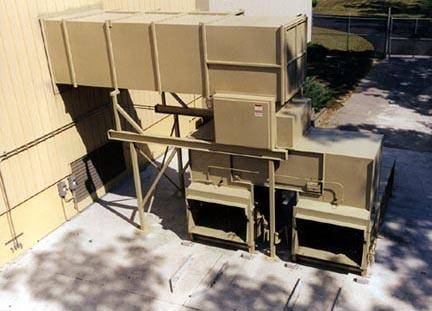
To analyze waste administration needs Commercial waste compactor equipment successfully, organizations must evaluate waste types, volumes, regulatory requirements, and disposal costs. Conducting routine audits and consulting with sector specialists can aid identify ideal approaches and Equipment for reliable waste processing.
Are There Federal Government Rewards for Utilizing Waste Equipment?
Federal government rewards for utilizing waste Equipment vary by region, frequently including tax subsidies, gives, or credits. These programs intend to motivate businesses to boost and adopt sustainable methods waste monitoring efficiency with economic assistance.
What Are the Maintenance Demands for Waste Administration Equipment?
Upkeep demands for waste management Equipment generally include normal examinations, lubrication of relocating parts, cleansing to stop blockages, and timely fixings. Sticking to producer standards assurances peak performance and long life of the Equipment.
Just how Do I Choose the Right Waste Equipment Provider?
Choosing the best waste Equipment provider includes assessing their experience, product range, consumer assistance, and prices. Looking into testimonials and contrasting several providers can help ensure the option aligns with specific waste administration demands and objectives.
Effective waste monitoring relies greatly on advanced waste Equipment. As waste administration methods advance, enhanced waste sorting and processing technologies have come to be important for promoting sustainability. The use of energy-efficient waste Equipment lowers power usage, further minimizing the carbon footprint associated with waste administration operations. Numerous kinds of waste Equipment are typically made use of in waste monitoring, including compactors, shredders, balers, dumpsters, and reusing containers. To analyze waste administration needs successfully, organizations need to assess waste types, volumes, regulatory needs, and disposal costs.